
Overview
Antarctica is not a continent you tour by road or rope up to climb — it is a voyage, and every Antarctica tour is, at heart, an expedition cruise with landings. What separates one tour from another is the route, the rhythm and the ship. Some cross the Drake Passage in both directions; others fly you over it. Some push for the Antarctic Circle; others split their days between the penguin capitals of the Peninsula and the sub-Antarctic islands. All of them run in a single window: November to March, the austral summer, when the ice loosens just enough for ships to enter.
We sell tours across six partner expedition lines — Swan Hellenic, Seabourn, Atlas Ocean Voyages, Oceanwide Expeditions, Polar Latitudes and Antarpply Expeditions — from value-focused polar vessels to ultra-luxury all-suite ships. Every sailing departs Ushuaia in Argentina (or Punta Arenas in Chile on fly-cruise routes), carries its own expedition team of ornithologists, glaciologists and polar historians, and puts guests ashore by Zodiac wherever weather and ice allow. This guide maps the tour types, the wildlife calendar and the activities you can bolt on, so you can match a voyage to the trip in your head.
Tour Types Compared
Four archetypes cover nearly every itinerary on sale. Lengths and fares below are indicative, per person, for classic Ushuaia roundtrip departures:
| Tour type | Length | Route focus | Typical from |
|---|---|---|---|
| Classic Peninsula | 9–11 nights | South Shetlands + western Peninsula | ₹5,95,000 |
| Antarctic Circle | 12–14 nights | Pushes below the Circle in late season | ₹16,85,000 |
| Fly-Cruise Express | 6–8 days | Fly over the Drake, sail only in Antarctica | premium over classic |
| Falklands & South Georgia | 16–20 nights | Sub-Antarctic wildlife capitals | on request |
Most first-timers — roughly three of every four enquiries we handle — settle on the Classic Peninsula tour: long enough for five or six landings, short enough to fit a two-week holiday from India. If the ship itself matters as much as the route, our guide to ship and cabin styles compares the six partner lines deck by deck.
Wildlife Calendar
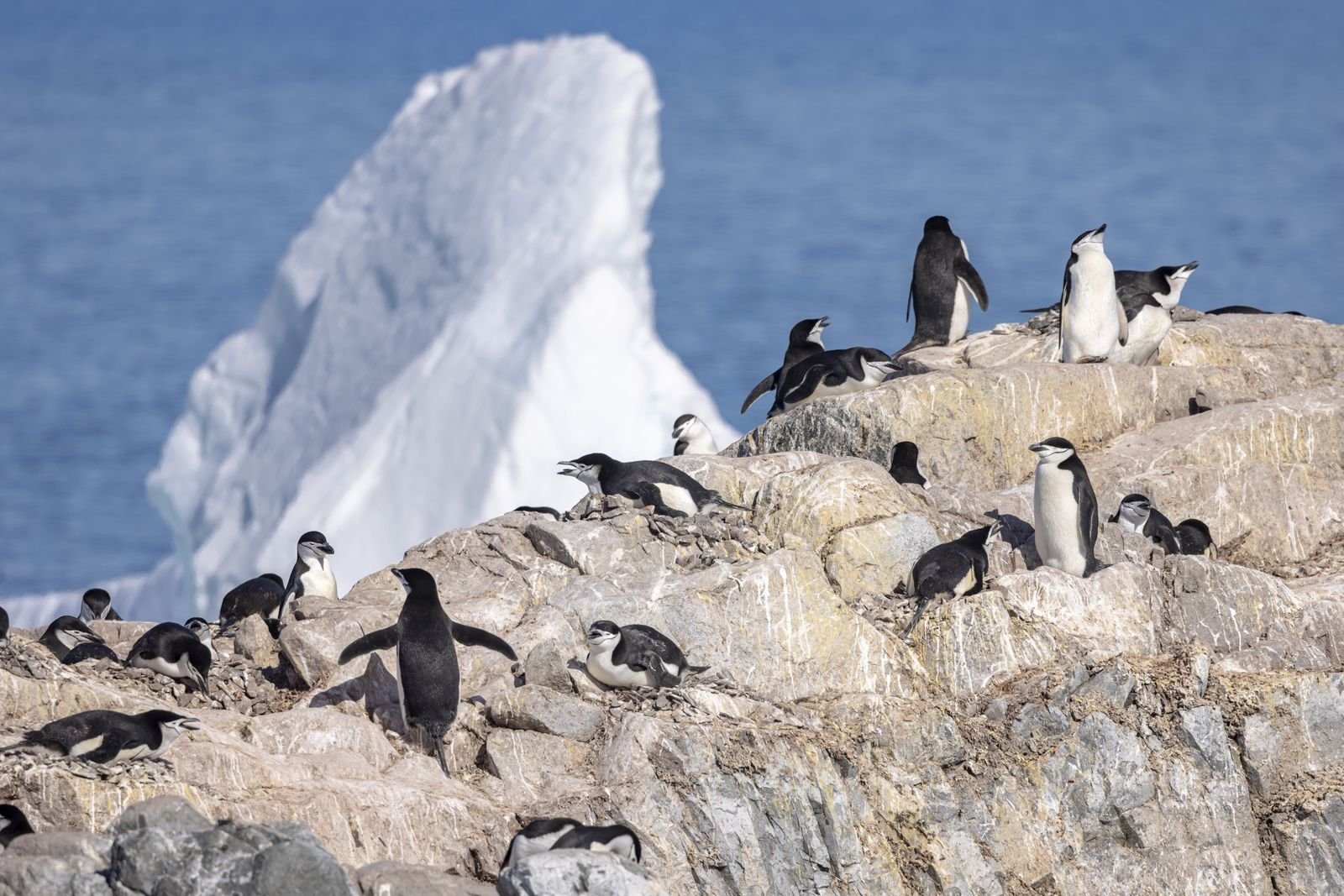
Antarctic wildlife runs on a strict calendar. The same shoreline can be a courtship arena in November, a crèche of downy chicks in December and a whale feeding ground by March. Time your tour to what you most want to see:
| Month | What you are likely to see |
|---|---|
| November | Courting penguins, pristine snow, crisp ice |
| December | Hatchling chicks everywhere, midnight sun |
| January | Busy rookeries, best landing weather |
| February | Humpback and minke whales arrive in numbers |
| March | Peak whale watching, leopard seals, fledging chicks |
Seals and seabirds feature throughout the season — Weddell seals hauled out on ice floes, skuas patrolling the colonies, albatrosses riding the ship’s wake on every Drake crossing. What no table can promise is a sighting: nothing in Antarctica is guaranteed, and nature writes the itinerary afresh each morning. Expedition teams adjust landings daily around ice, swell and the animals themselves.
Activity Add-Ons
The core programme — Zodiac landings, expert lectures and Citizen Science briefings — is included on every tour. Most lines also sell optional adventures that bring you closer to the ice, and they fill early:
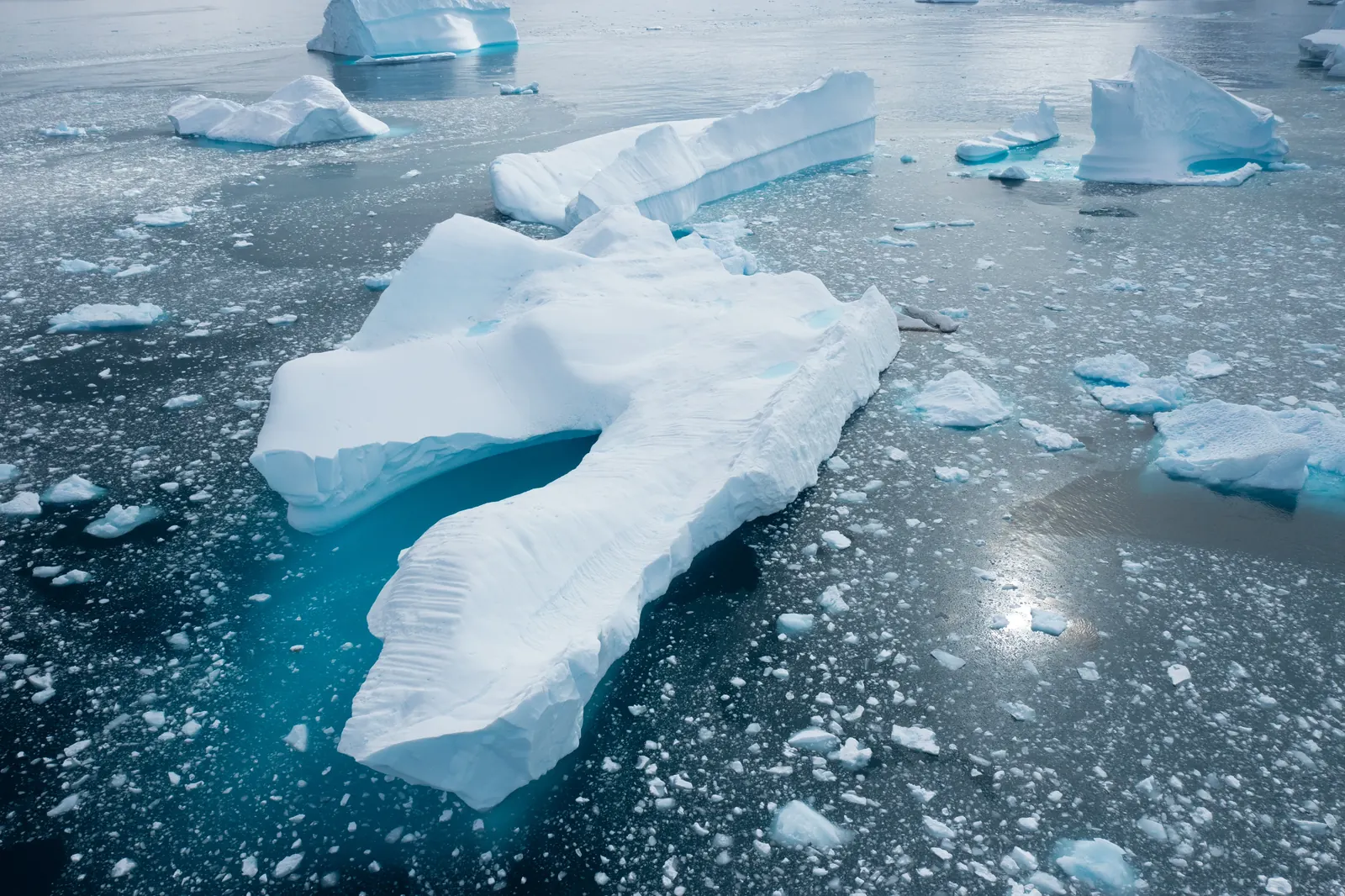
- Guided kayaking among icebergs and brash ice, in small paddling groups
- Snowshoeing treks to ridgelines above the landing sites
- Overnight camping on select voyages — a bivouac under the Antarctic sky
- Zodiac photo cruises with the expedition photographer at the helm
- Citizen Science workshops: plankton trawls, whale and seabird logging
- The polar plunge — free, very short and permanently in your stories
Activity supplements vary per ship and season; we share them with your quote so nothing surprises you on board. Places are capped — kayak groups are often a dozen paddlers per landing — so reserve when you book, not after you board.
For Photographers
Late season is quietly the best light of the year. By February and March the sun skims the horizon for most of the day, gilding icebergs in gold and rose instead of the flat white glare of midsummer, and there are fewer ships on the Peninsula to crowd a colony or a beached ice arch. Landings feel unhurried — time to wait for the leap, the take-off, the light.
Pack two camera bodies if you can, because swapping lenses in blowing snow is how sensors get dusty, and keep spare batteries in an inside pocket where the cold cannot drain them. A telephoto in the 100–400mm range covers wildlife; a wide angle earns its place on glacier walls and iceberg canyons. Several partner ships run dedicated expedition photo programs with a resident photographer leading Zodiac cruises and editing sessions — ask us which departures include one. To see how a photography-friendly itinerary fits together day by day, read our walkthrough of the nine-night classic sailing.
Choosing Your Tour
Match the tour to the traveller, not the other way round. Families with school-age children do best on a classic ten- or eleven-night Peninsula sailing — landings are short, gentle and endlessly exciting, and Citizen Science sessions give the journey real depth. Couples chasing the romantic version usually pick a balcony cabin and, if leave is tight, a fly-cruise departure that trades two Drake crossings for a two-hour flight. Photographers should aim at February and March for whales and low sun. Tick-list travellers — the ones who want the Antarctic Circle in the logbook — need a twelve- to fourteen-night circle voyage late in the season, when receding ice opens the latitude.
Whichever shape it takes, send your travel month, traveller count and priorities through our quote form and we will shortlist sailings across all six lines with an INR quote inside 24 hours. If budget is steering the decision more than the route, our month-by-month price curve shows exactly when each tour type is cheapest from India.
Frequently Asked Questions
Which Antarctica tour should I choose for a first visit?
For a first visit, choose a Classic Peninsula tour of 9–11 nights sailing roundtrip from Ushuaia. It covers the South Shetland Islands and the western Antarctic Peninsula — penguin colonies, iceberg alleys and research-station visits, with two landings on most days. It is also the most affordable tour type, with fares from ₹5,95,000 per person, and it fits a two-week door-to-door holiday from India. Save circle voyages and South Georgia for a return trip.
Is the fly-cruise tour worth the premium?
It is, if rough seas worry you or your holiday is short. A fly-cruise tour crosses the Drake Passage by air instead of by ship — a two-hour flight from Punta Arenas in Chile to King George Island — so you sail only in Antarctic waters. You pay a clear premium over the classic sailing and the charter flight can itself be weather-delayed, but you reclaim roughly three sea days each way for landings instead.
When is the best time to see whale pods and penguin chicks?
Penguin chicks hatch through December and January, so a mid-season tour finds rookeries at their fluffiest, with adults shuttling to and from the sea. Whales arrive in numbers from February and peak in March, when humpbacks and minkes feed along the Peninsula and leopard seals patrol the colonies. If you want both in one trip, late January and early February sailings catch chicks nearly grown and the first whales arriving.
Can I camp or kayak on Antarctica tours?
Yes. Kayaking and snowshoeing run on most partner ships, overnight camping appears on select voyages, and the polar plunge is free on essentially every sailing. Adventure places are capped and carry supplements that vary by ship, so they sell out months ahead. Tell us your wishlist when you enquire and we will confirm availability and price the activities into your INR quote.
How close can we legally get to penguins and seals?
Keep at least five metres from all wildlife — the IAATO-style rule every partner line enforces, and one the animals routinely break by walking up to you instead. The expedition team briefs landing etiquette before you go ashore. Biosecurity is enforced just as strictly: every layer of outer gear is vacuumed and scrubbed between landings so nothing travels between colonies.
Find Your Antarctica Tour
Tell us which wildlife, route or activity is driving the trip — a shortlist of matching tours with INR quotes arrives within 24 hours.
Request a Quote